Buying in Silver Crossing at Skye Canyon and hearing about both an appraisal and a home inspection? They sound similar but they serve very different purposes. If you are relocating or buying for the first time, it can be hard to know what to expect, who pays, and how results impact your deal. This guide breaks it all down with local timelines, cost ranges, and negotiation tips for Skye Canyon. Let’s dive in.
Appraisal vs. Inspection Basics
An appraisal estimates the property’s market value for your lender. The appraiser studies recent comparable sales, market trends, and the home’s overall condition as it affects value. This helps the lender decide how much to lend on the property.
A home inspection evaluates the home’s visible and readily accessible systems and components. The inspector identifies safety concerns, needed repairs, and maintenance items so you can make an informed decision and negotiate repairs or credits during your inspection contingency.
In short, the appraisal supports your loan, while the inspection supports your decision.
What Appraisals Cover
An appraisal focuses on market value, not a punch list of defects. Expect:
- Market analysis using nearby, recent comparable sales.
- Adjustments for differences in size, features, condition, and location.
- A visual check for major, obvious issues that could impact value or safety.
- A written report with photos, comps, adjustments, market commentary, and a final value.
Appraisers are not building inspectors. They do not test systems in depth or itemize minor defects.
What Inspections Cover
A general home inspection focuses on condition and safety. Inspectors typically review:
- Structural elements that are visible, plus signs of settlement.
- Roof and attic for visible leaks and wear.
- Exterior items like siding, windows, doors, and site grading.
- HVAC systems for operation and age clues.
- Plumbing supply and drainage that is visible, plus the water heater.
- Electrical service, panels, and visible wiring safety.
- Interior finishes, doors, windows, and built-in appliances.
- Safety items such as GFCI locations and smoke detectors.
Inspectors may recommend specialists for items like termite or wood-destroying organisms, mold, radon, sewer scope, pool and spa systems, or structural engineering when needed. You receive a written report with photos and prioritized findings.
Who Orders and Pays
- Appraisal: Your lender orders the appraisal. You, the buyer, usually pay the fee as part of loan costs, which the lender will disclose and schedule.
- Inspection: You order and pay for the general home inspection and any specialist inspections. These are optional but strongly recommended to protect your investment.
Costs can be reassigned by agreement. Some sellers may offer credits or cover certain fees, but this is a negotiation point, not an expectation.
Nevada Licenses to Verify
- Appraisers: Must hold a Nevada state license or certification to complete lender-accepted appraisals. Verify that the appraiser is listed on the Nevada registry.
- Home inspectors: Many Las Vegas inspectors belong to national groups like ASHI or InterNACHI. Ask for credentials, a sample report, and proof of insurance.
- Specialists: Termite or WDO, sewer, pool, roof, HVAC, and mold inspectors often need specialty credentials. Request evidence of qualifications and local experience.
Ask your Realtor to recommend Nevada-experienced providers and confirm licensing through state portals where applicable.
Skye Canyon Timelines
Local conditions and seasonality affect scheduling, but this is a common sequence for Silver Crossing purchases on a financed offer:
- Day 0 (ratification): Contract is fully signed by both parties.
- Days 1–3: You schedule the home inspection and any specialists right away. You complete your loan application, and your lender orders the appraisal.
- Days 3–10: General inspection occurs, usually within 1 to 7 days depending on availability. Specialist inspections follow, often within another 1 to 7 days.
- Days 7–14: The appraiser is assigned, visits the property, and returns a report to the lender. Turnaround is commonly 7 to 14 days in Las Vegas.
- Days 10–15: You review inspection results and submit a repair or credit request within your inspection contingency window, often 7 to 10 days unless negotiated otherwise.
- Days 15–30: Repair negotiations finalize, lender underwriting continues, and the file moves toward clear to close.
- Closing: Once the lender issues clear to close and all title, HOA, and resale documents are approved, you can sign and close.
Weekend and holiday schedules can add time. If an appraisal is delayed, closing may be delayed even if inspections are complete.
How Results Shape Negotiations
Inspection findings and your options
- Minor items: These are common and often become a maintenance to-do list for later.
- Significant defects: Examples include roof leaks, HVAC failure, electrical hazards, or plumbing issues. You can request repairs, a price credit, or cancel within your inspection contingency if the seller declines.
- Repair agreements: If you agree on repairs, define the scope, contractors, timelines, and any permits in writing. Credits at closing can be cleaner for both parties and are common.
Appraisal outcomes and next steps
- At or above contract price: Your loan proceeds if all other conditions are met.
- Below contract price: You have several options. You can ask the seller to reduce the price to appraised value, request a credit if allowed, bring cash for the difference, or submit a reconsideration of value with stronger comparable sales. If your contract includes an appraisal or financing contingency, you may be able to cancel and keep your earnest money if no agreement is reached.
How appraisal and inspection interact
A serious defect found during inspection can influence value if it affects marketability or cost to cure. Appraisers note visible deferred maintenance that materially impacts value or safety. Timing matters, so complete inspections early in your contingency window and stay in close contact with your lender and agent.
Silver Crossing Considerations
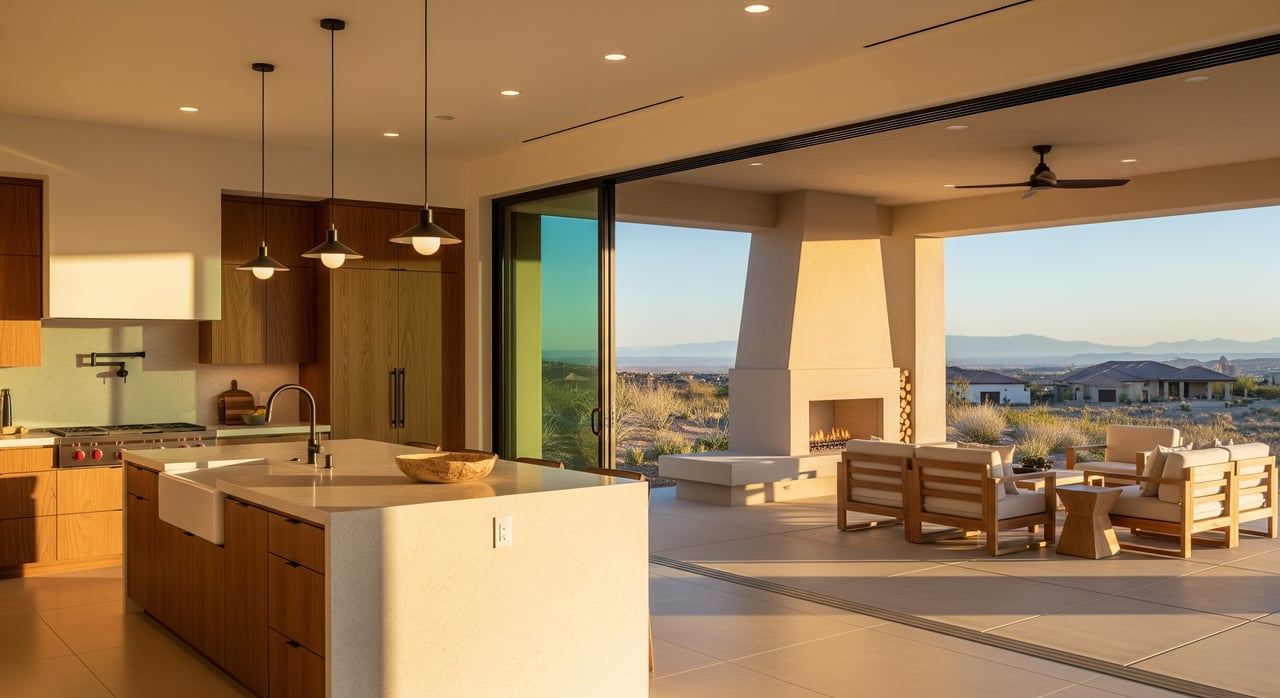
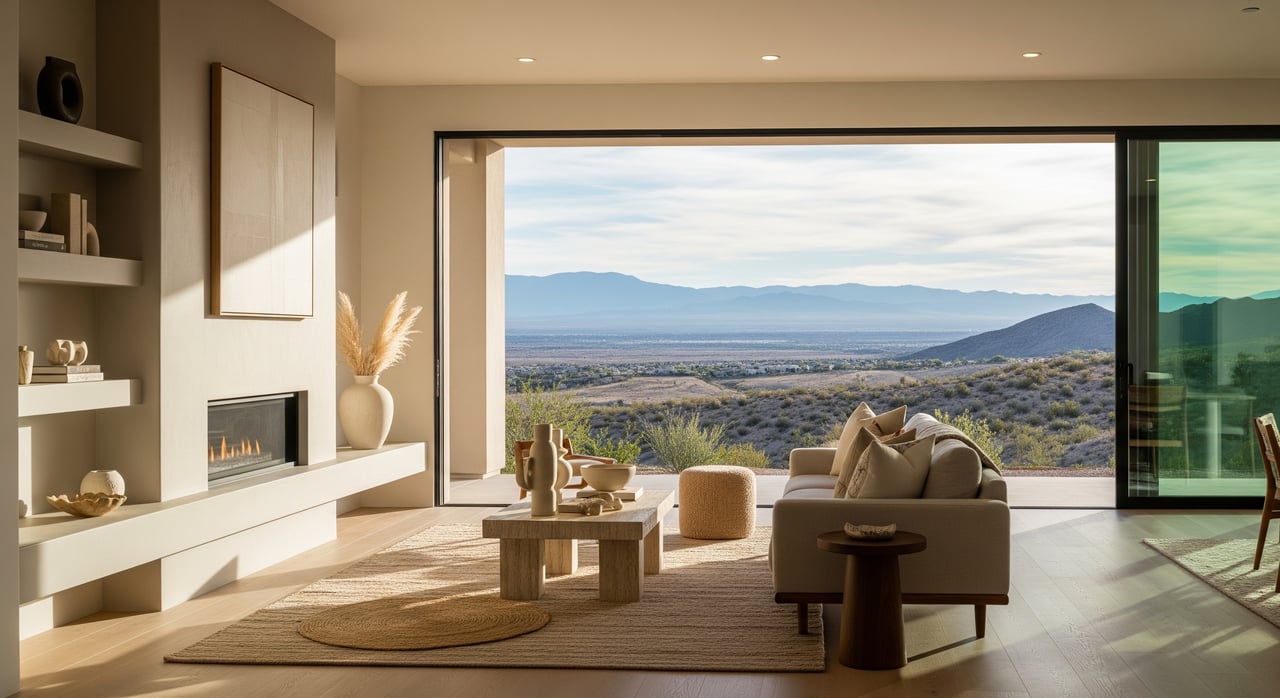
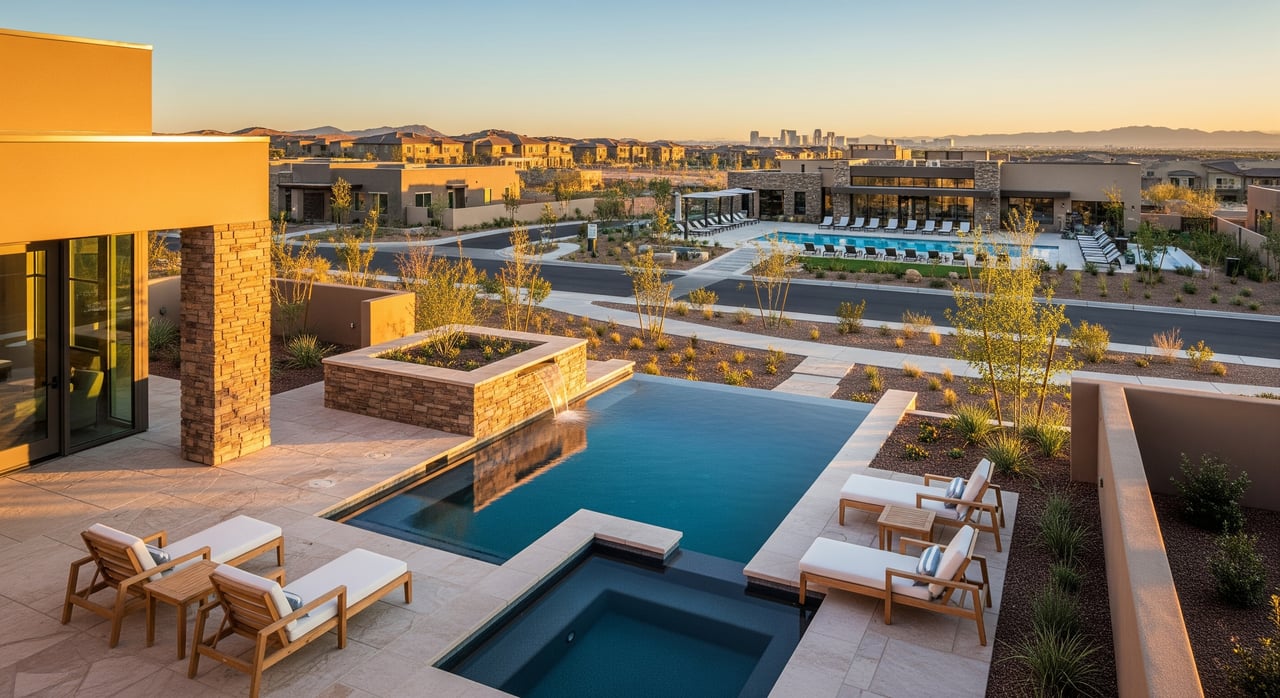
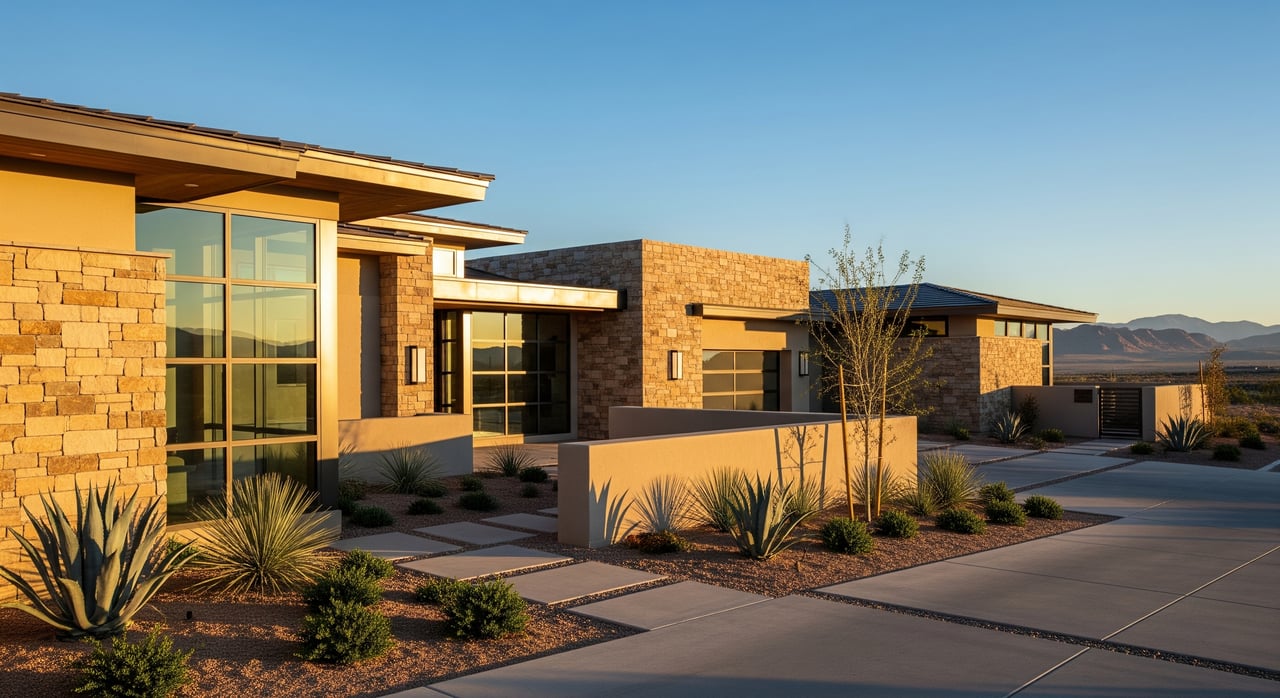
Silver Crossing is part of the larger Skye Canyon master plan, where HOA documentation and community rules are important to review.
- HOA resale package: Request the HOA CC&Rs, bylaws, budgets, and meeting information early. Ask about any pending assessments or planned capital projects that could affect future fees.
- Desert climate checks: Pay extra attention to roof condition, exterior sealants, irrigation systems, and pool or spa equipment. Proper grading helps avoid water intrusion during seasonal storms.
- Termite and WDO: While the climate is arid, WDO inspections are still commonly requested and can be required by some lenders.
- Community rules: Confirm landscaping and architectural guidelines so you know what to expect as an owner.
- Seller disclosures: In Nevada, sellers provide a property disclosure. Review it right away and ask follow-up questions on any flagged items.
Tips for Out-of-State and First-Time Buyers
- Move fast after ratification: Book inspections within the first 1 to 3 days to protect your contingency.
- Attend or go virtual: If you cannot attend in person, request a live video walkthrough with your inspector.
- Order specialists when needed: Consider sewer scope, pool, roof, HVAC, termite or WDO, and mold evaluations based on the home.
- Keep your timeline tight: Set clear deadlines for repair negotiations and confirmations.
- Document everything: Keep written records of agreements, receipts, contractor invoices, and permits.
- Lean on local expertise: Ask your Realtor to recommend Nevada-licensed inspectors and to review HOA and resale documents with you.
Quick Cost Ranges
Estimated Las Vegas area ranges can vary by provider, property size, and complexity. Request quotes before ordering.
- General home inspection: About 300 to 600 dollars.
- Specialist inspections: Often 100 to 400 dollars each, depending on the service.
- Lender-ordered appraisal: About 450 to 700 dollars, depending on loan type and property details.
Actual fees fluctuate. Your lender and inspectors will provide current pricing and schedules.
Your Next Step
You deserve a smooth, well-orchestrated process from offer to closing. With the right timing and guidance, you can use both the appraisal and the inspection to protect your financing and your future home in Silver Crossing. If you want a local expert who handles the details and communicates clearly, reach out to Alexandria Mcgurk for personalized support.
FAQs
What is the difference between an appraisal and inspection in Skye Canyon?
- The appraisal estimates market value for your lender, while the inspection evaluates condition and safety so you can make decisions and negotiate repairs or credits.
Who pays for the appraisal in Nevada purchases?
- The lender orders the appraisal and the buyer typically pays the fee as part of loan costs, unless the parties negotiate a different arrangement.
How long do appraisals and inspections take in Las Vegas?
- Inspections are often completed within 1 to 7 days after ordering, and appraisals commonly return in 7 to 14 days, depending on provider availability and season.
What if the appraisal comes in below my contract price?
- You can negotiate a price reduction, request a credit if allowed, bring cash for the difference, or ask for a reconsideration of value; contingency terms may allow you to cancel.
Are termite or WDO inspections needed in Silver Crossing?
- Yes, WDO inspections are commonly requested in the Las Vegas area, and some loan programs or situations may require them.
What HOA documents should I review for Silver Crossing?
- Request the HOA resale package, including CC&Rs, bylaws, budgets, and any notices of pending assessments or capital projects, then review them promptly with your agent.