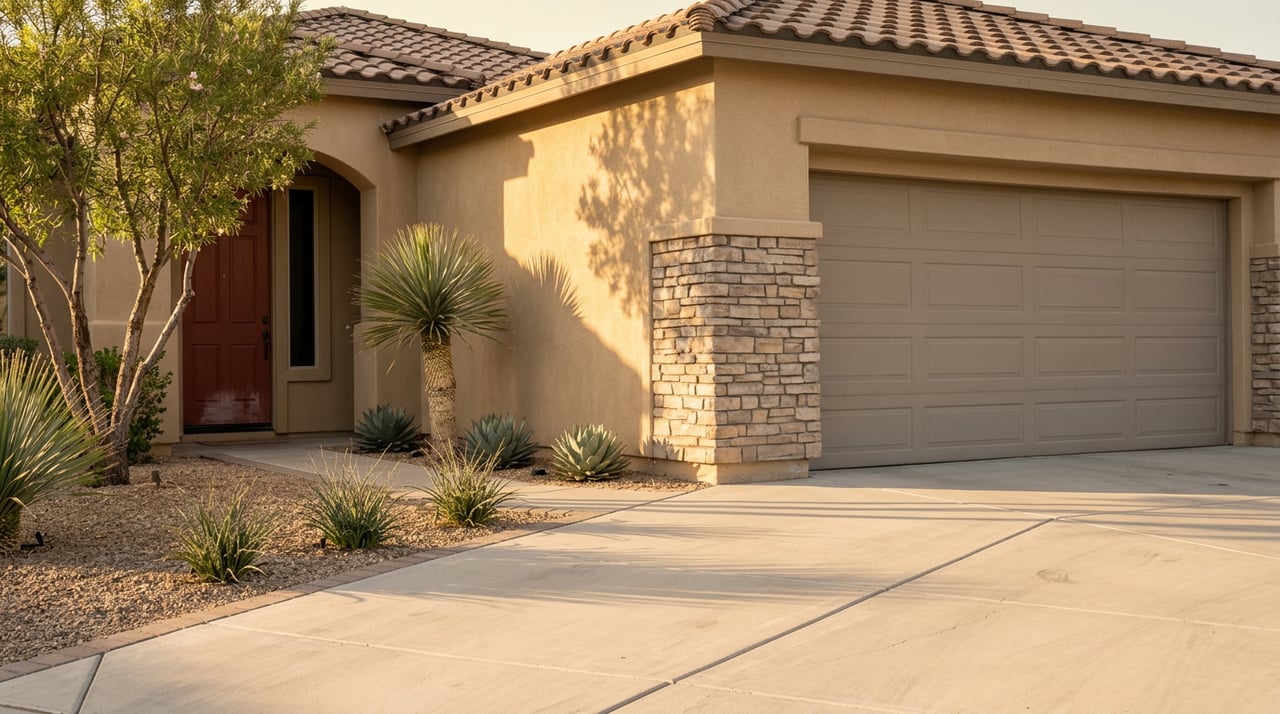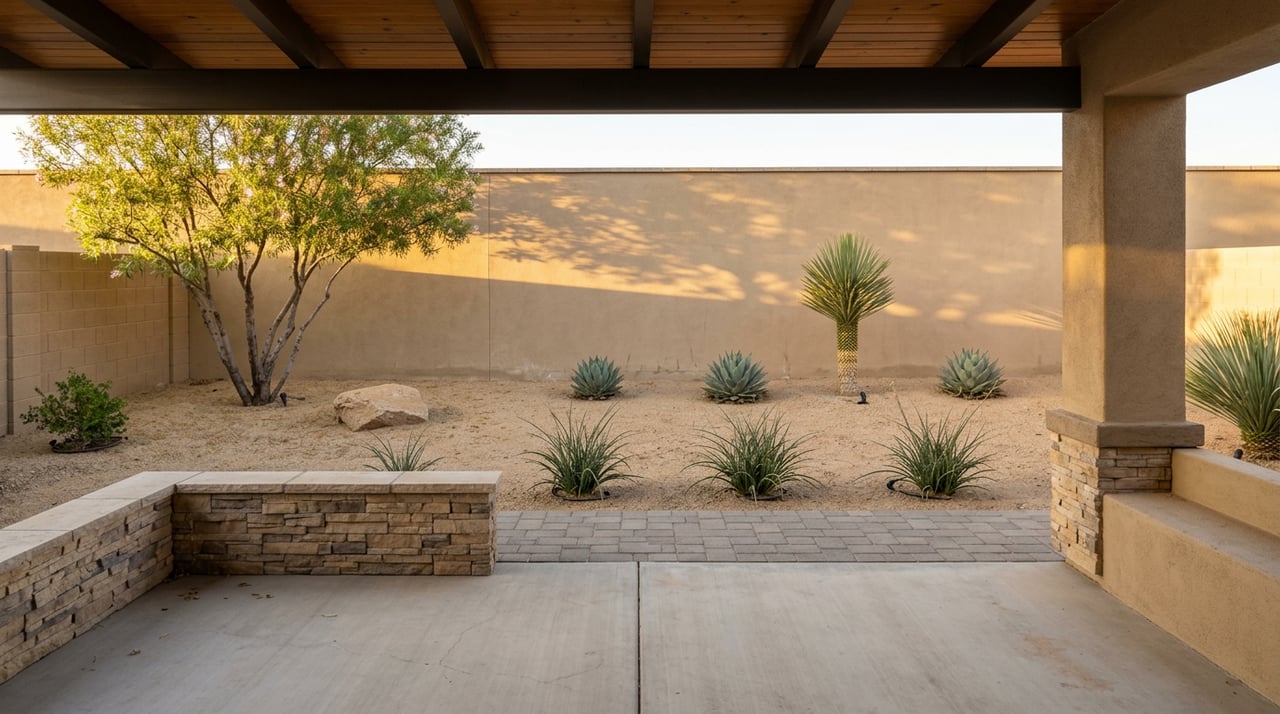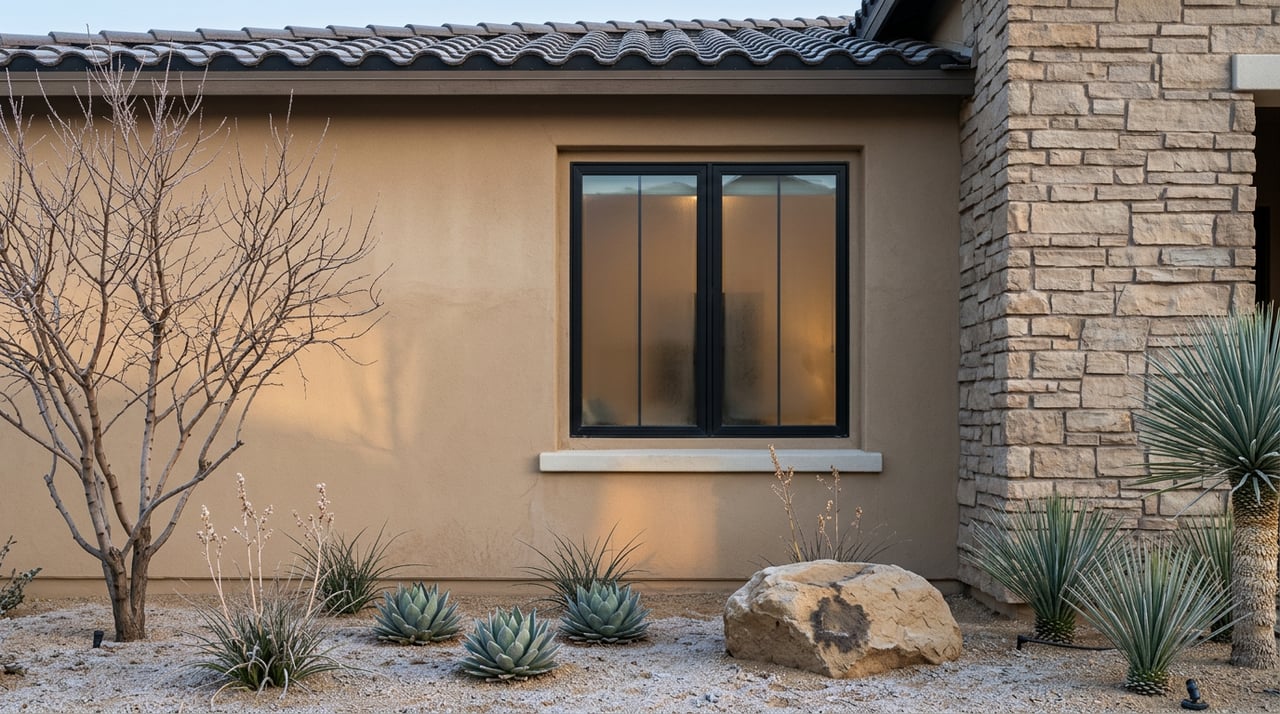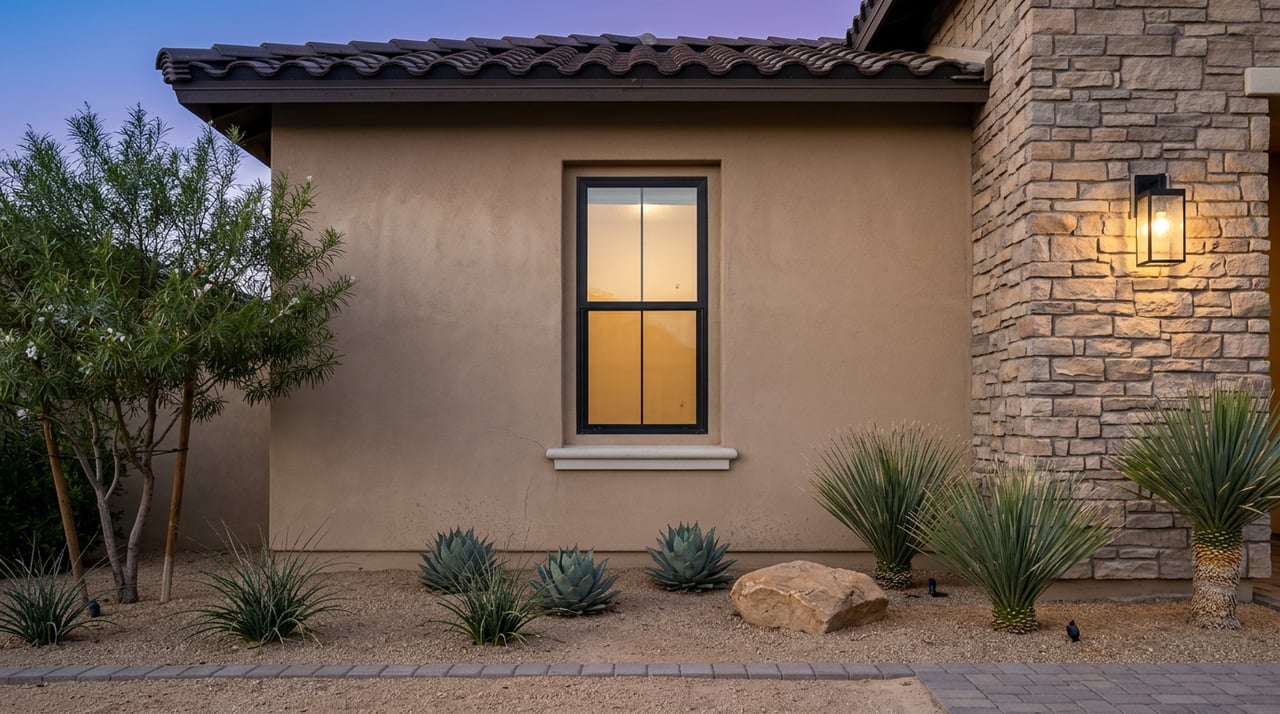
Buying in Skye Canyon comes with a big first choice: do you go for a brand‑new build or a proven resale? Both paths can work well here, but the better fit depends on your budget, timing, and how you value upgrades, lot selection, and long‑term resale. In this guide, you’ll learn how new construction and resales compare on cost, speed, incentives, inspections, and HOA details specific to Skye Canyon. Let’s dive in.
Skye Canyon at a glance
Skye Canyon is a 1,000‑acre master‑planned community in Northwest Las Vegas with a central hub, fitness center, parks, and miles of trails. You can explore current amenities and resident programs on the official site’s overview of the community’s offerings at Skye Canyon’s about page.
Builders in Skye Canyon change over time, but current official partners include Century Communities and Toll Brothers, as shown on the community builder partners page. The community does not sell vacant lots directly to the public. Instead, you choose a homesite within a builder’s release.
Published market numbers place the median sale price around the high‑$500Ks in early 2026, with sales commonly ranging from the $400Ks into the $600Ks or more depending on plan, lot, and upgrades. That overlap means you will likely compare higher‑end resales against new builder offerings.
New construction: costs and timing
Base price vs as‑built price
Builder pricing starts with a base price, then rises with lot premiums, structural options, and design‑center finishes. A practical rule of thumb from local builder guidance is to budget roughly 15 to 25 percent above the base price for typical options and lot premiums in similar Las Vegas communities. You can see this kind of framework discussed in a local new‑construction guide for the valley’s master‑planned areas (pricing and upgrade budgeting tips).
If you are comparing a builder’s base price to a finished resale, adjust for what the new home will actually cost after options and landscaping to make it apples to apples.
Incentives and financing
Builders often prefer to keep base prices steady and use targeted incentives on select homes. Common offers include closing cost credits, limited design upgrades on quick move‑ins, and temporary interest rate buydowns when using a preferred lender. Skye Canyon promotions and events have highlighted examples like included design features or credits on move‑in‑ready homes, which you can see referenced in community press materials (incentive examples and events). Always get incentive terms in writing and compare the builder’s preferred‑lender offer to your independent lender.
Quick move‑in vs build‑to‑order
Quick move‑in homes shorten the wait and sometimes carry stronger concessions. A ground‑up build commonly takes several months from contract to close, depending on permits and materials. If you need to move soon, quick move‑ins or resales typically win on timing.
Lots and upgrades in Skye Canyon
Lot premiums and views
In Skye Canyon, lot selection happens through the builder. Premiums are typically set for larger yards, corner or cul‑de‑sac locations, and view corridors. If a view matters for your lifestyle or future resale, ask for recent closed sales on similar view lots and verify how appraisers have treated those premiums locally. Request the builder’s lot map and any lot premium schedule before you sign.
Smart upgrades and ROI
Upgrades break into two buckets:
- Structural options that are hard or costly to add later, such as an extra bedroom, extended garage, or a covered patio. Prioritize these early, since selection windows close quickly during construction.
- Cosmetic finishes you can change after closing, like flooring, counters, and lighting. These are easier to update later, although post‑close work also has costs and inconvenience.
For resale return, national remodeling guidance suggests midrange, durable choices tend to deliver better ROI than ultra‑luxury finishes. Use neighborhood price ceilings to avoid over‑improving, and let personal lifestyle guide the rest. For context, review a concise look at kitchen remodel ROI trends.
New‑build inspections, warranties, and appraisals
Inspections you still need
New homes benefit from independent inspections. Three useful checkpoints are a pre‑drywall inspection, a final inspection before closing, and an 11‑month inspection before short‑term warranties expire. These phased inspections are a best practice recommended by home‑inspection professionals (new construction inspection stages).
Warranty basics and questions to ask
Many national builders offer layered warranties that commonly include 1‑year workmanship coverage, around 2‑year systems coverage, and long‑term structural coverage that is sometimes insurance‑backed and marketed as 10‑year protection. Before closing, request the written warranty, confirm whether it is insurance‑backed or self‑insured, clarify how claims are filed, and confirm transfer terms for future owners. For background on typical coverage structures, see an overview from a leading provider of new‑home structural warranties.
Appraisal gaps and strategies
Options and lot premiums can push a new‑home contract above nearby closed sales. Builders and lenders address this by using appraisers with local new‑home experience and by sharing data on recent builder closings and premiums. Ask your agent and lender about appraisal contingency language and how to handle a shortfall if one occurs. For a practical overview of appraisal strategies on new construction, review this industry playbook for managing low appraisals.
Resale homes: pricing, condition, and speed
Negotiation and net price
Resales often offer more room to negotiate on price and seller concessions than a builder’s published base price. Depending on condition and timing, you might secure credits, included appliances, or repairs after inspections. Well‑priced resales in desirable pockets of Skye Canyon can still draw strong interest, so your leverage depends on how the home is positioned relative to the market.
Condition tradeoffs
Resales give you immediate visibility into condition and completed improvements like mature landscaping, backyard hardscape or pool, and window treatments. Plan for potential near‑term expenses on aging systems such as HVAC or water heaters. A thorough buyer inspection should prioritize roof condition, HVAC age and service records, pool or spa systems if applicable, electrical panels, and any additions that might require permits.
Time to close
If financing is in order, many resales close in about 30 to 45 days. That speed can beat a ground‑up build and sometimes a spec home, depending on the builder’s schedule.
HOA, taxes, and buildout
HOA fees vary by sub‑association
Skye Canyon includes multiple sub‑associations with different monthly or quarterly dues that depend on product type and amenities. Always request the latest HOA documents to confirm current assessments, coverage, reserves, and any planned special assessments. Fold HOA dues into your monthly cost comparison.
Property taxes and assessments
Check parcel tax history and likely reassessment timing, especially on new construction where supplemental assessments can occur. The Clark County Assessor’s resources explain how ownership and improvements can affect your bill. For an overview, consult the county’s property owner information brochure.
Amenities today and tomorrow
Skye Canyon’s plan includes community amenities and commercial areas, with retail and school sites identified in the master plan. Some elements arrive later in the buildout. If proximity to a future park, school site, or retail node matters to you, confirm current status and timing on the community overview page.
Quick price context and builder presence
Toll Brothers’ Paloma collection at Skye Canyon has advertised starting prices in the mid‑$500Ks, illustrating how new‑build pricing overlaps with higher‑end resales in the area. You can see models and current marketing on the Toll Brothers at Skye Canyon page. Century Communities and other national builders have remained active in Skye Canyon’s development, which adds a steady stream of new comparables as phases close.
Side‑by‑side checklist
Use this to compare a Skye Canyon new build vs resale quickly:
Net cost comparison
- New build: base price + lot premium + structural options + design upgrades + backyard/landscaping + closing costs minus any builder credits or buydowns.
- Resale: purchase price + closing costs + immediate repair or refresh budget + any negotiated credits.
- If a builder requires their preferred lender for incentives, run both scenarios to verify the true net benefit.
Timing
- Need to move within 60 days: focus on resales or quick move‑ins.
- Can wait 6 to 10 months: build‑to‑order may be feasible.
Inspections
- New build: schedule pre‑drywall, final, and 11‑month warranty inspections (phased inspection guidance).
- Resale: full buyer’s inspection with specialists as needed for roof, HVAC, pool, or electrical.
Warranty and documentation
- New build: obtain the written warranty, verify if coverage is insurance‑backed, and understand claims procedures (warranty overview).
- Resale: request service records, permit history for any additions, and disclosures on known defects.
Appraisal strategy
- New build: collect recent builder closings for similar plans and lots, discuss appraisal contingency options with your lender and agent (appraisal strategy guide).
- Resale: rely on neighborhood comps, condition, and recent sales.
HOA and taxes
- Pull sub‑association documents to confirm dues and coverage.
- Check parcel tax history and note possible supplemental assessments on new builds (Assessor info).
Which path fits your goals
Choose new construction if you want today’s floor plans, energy‑efficient systems, and the chance to select your finishes from the start. This route works well if you can wait for construction or if you find a quick move‑in that checks your boxes. Buy a resale if speed matters most, if you value a finished yard or pool, or if you want more room to negotiate on price and credits. In Skye Canyon, higher‑end resales often compete directly with new builds, so a careful net‑to‑buyer comparison usually decides the winner.
If you want a side‑by‑side, dollar‑for‑dollar breakdown and help weighing incentives against resale potential, reach out. With local builder insight, we can compare your top two or three options and set you up to move with confidence.
Ready to tour Skye Canyon new builds and resales or build a clear cost comparison? Connect with Alexandria Mcgurk for local guidance that puts your goals first.
FAQs
Are new homes cheaper than resales in Skye Canyon?
- Not automatically. New builds can offer credits or buydowns, but options and lot premiums often raise the final price. Compare the true net cost on each home.
Do brand‑new homes still need inspections?
- Yes. Schedule pre‑drywall, final, and 11‑month inspections to catch issues early and document items before short‑term warranties expire.
How negotiable are builder prices in Skye Canyon?
- Builders tend to prefer incentives over base price cuts. Look for closing cost credits, included upgrades on quick move‑ins, or temporary rate buydowns.
What upgrades help resale value in Skye Canyon?
- Midrange, durable finishes typically offer better ROI than ultra‑luxury choices. Prioritize structural options you cannot add later, then select finishes within neighborhood norms.
How fast can I move if I buy in Skye Canyon?
- Many resales close in 30 to 45 days with financing in order. Quick move‑in new homes can be fast too, while build‑to‑order timelines are usually several months.