If you want top dollar for your Skye Canyon home, pricing is your most important move. In a master-planned community where new builds, incentives, and views vary block by block, even a small mismatch can cost you traction. You deserve a clear, local process that turns data into a confident list price and a smooth sale. In this guide, you’ll learn how to price with the right comps, account for builder competition, highlight valuable upgrades, and adjust smartly after launch. Let’s dive in.
Know the Skye Canyon market
Skye Canyon is a dynamic master plan with ongoing builder activity, a fitness and social hub, and trail-focused living at the center of its lifestyle. The master plan’s amenities, including a 15-acre park and community facilities, shape buyer demand and value expectations. You can explore the master plan’s community profile on the official site for context about amenities and neighborhood structure at Skye Canyon’s master plan site.
As of late February 2026, the Skye Canyon neighborhood snapshot shows a median sale price around $586,500 and a typical price near $268 per square foot, according to Redfin’s neighborhood metrics. Zillow’s ZHVI places the typical home value near $597,000. Redfin has also reported a recent rise in median days on market versus the prior year. These are directional guides, not a substitute for a tailored comparative market analysis.
Build a Skye Canyon CMA
A solid CMA translates neighborhood activity into a price range that fits your home. It should be specific to your phase, lot type, and finish level. The goal is a transparent range you and your agent can defend with evidence.
Define your comp map
Start with sold homes from your same Skye Canyon phase or recorded subdivision. If there are too few sales, widen to adjacent Skye Canyon enclaves. Focus on a radius of about 0.5 to 1 mile. In a stable market, use the last 3 to 6 months of sales. If conditions are shifting, tighten to about 90 days or adjust older sales to reflect clear market movement.
Match the property first
Prioritize the closest matches on property type, bed and bath count, and gross living area. Then consider lot category, such as standard interior lot, corner, deeper rear yard, or premium view lot. Adjust for single versus two story and garage count, since these features change buyer pools and valuations.
Choose your adjustment method
Most agents use two common approaches when adjusting comps. One is dollar adjustments, where you add or subtract specific amounts for a feature, such as a larger lot or a luxury kitchen. The other is a per square foot method, where you compute a reliable local $/sqft from your best comps and apply it to your home’s size. However you adjust, be clear about your logic, since buyers expect transparent reasoning and agents rely on CMAs as a primary pricing tool, as outlined in this CMA guidance.
A helpful way to summarize your agent’s work is: “We looked at sold homes in the same Skye Canyon phase from the last 90 to 180 days, then adjusted for square footage, lot differences, and two major interior upgrades to arrive at a competitively justified price range.”
Use new builds as anchors
New construction is a real factor in Skye Canyon. Builders like Century Communities and Toll Brothers have actively delivered product lines across phases. The official Skye Canyon builder list helps you identify nearby communities that compete with your resale. Also check active releases for floor-plan and pricing context, such as Century Communities’ Skye Canyon page.
When you use nearby model pricing as a reference, be sure to estimate the net effective price after incentives. If a builder offers credits or rate buydowns, buyers compare your home to that lower net number, not just the sticker price.
Features that move price here
Lot and view premiums
In Skye Canyon, lot orientation and outdoor space can make a noticeable difference. Elevated or open-space views, deeper rear yards, and proximity to trails or parks often command premiums. To price these correctly, find comps that isolate the lot difference as much as possible. Use map views and lot filters when building your CMA, then document how much the market paid for similar lots in recent sales.
Gated enclaves and HOA impact
Some Skye Canyon sub-neighborhoods are gated and may offer private amenities or separate HOA assessments. These can support stronger pricing if buyers see clear lifestyle value. Be transparent about the amenity advantage and the recurring cost so buyers understand the full picture.
Upgrades buyers notice
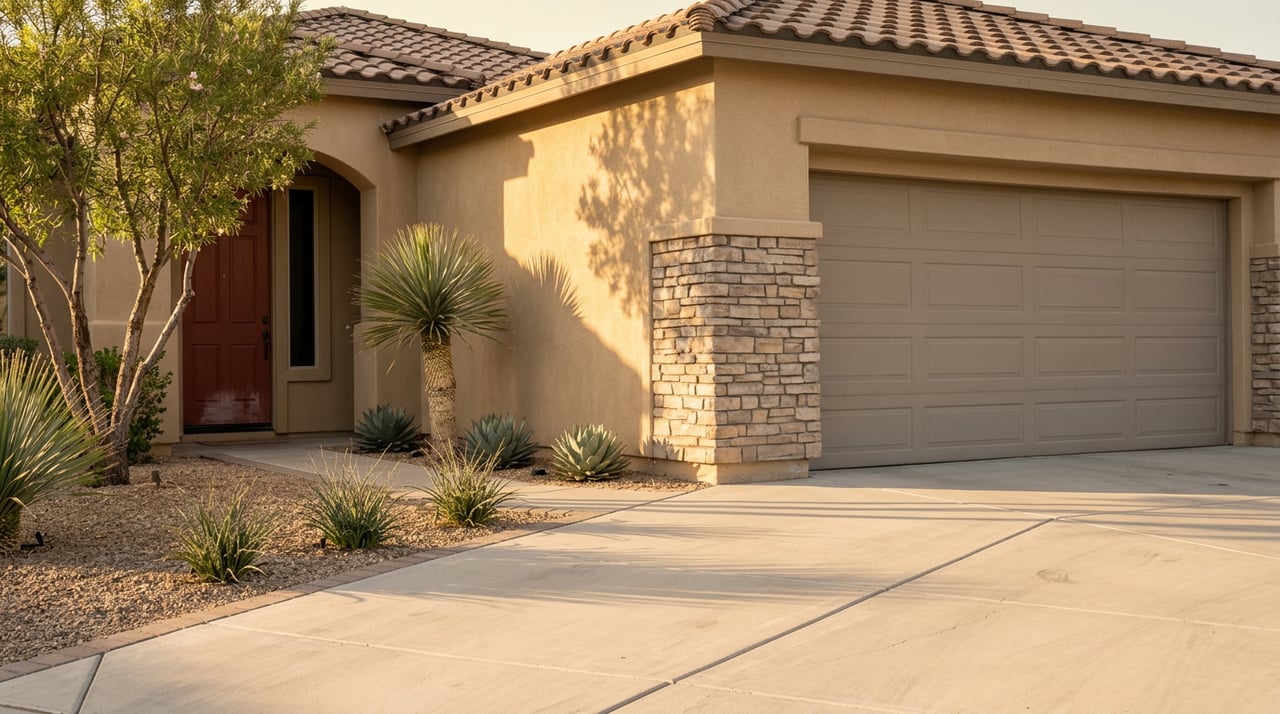
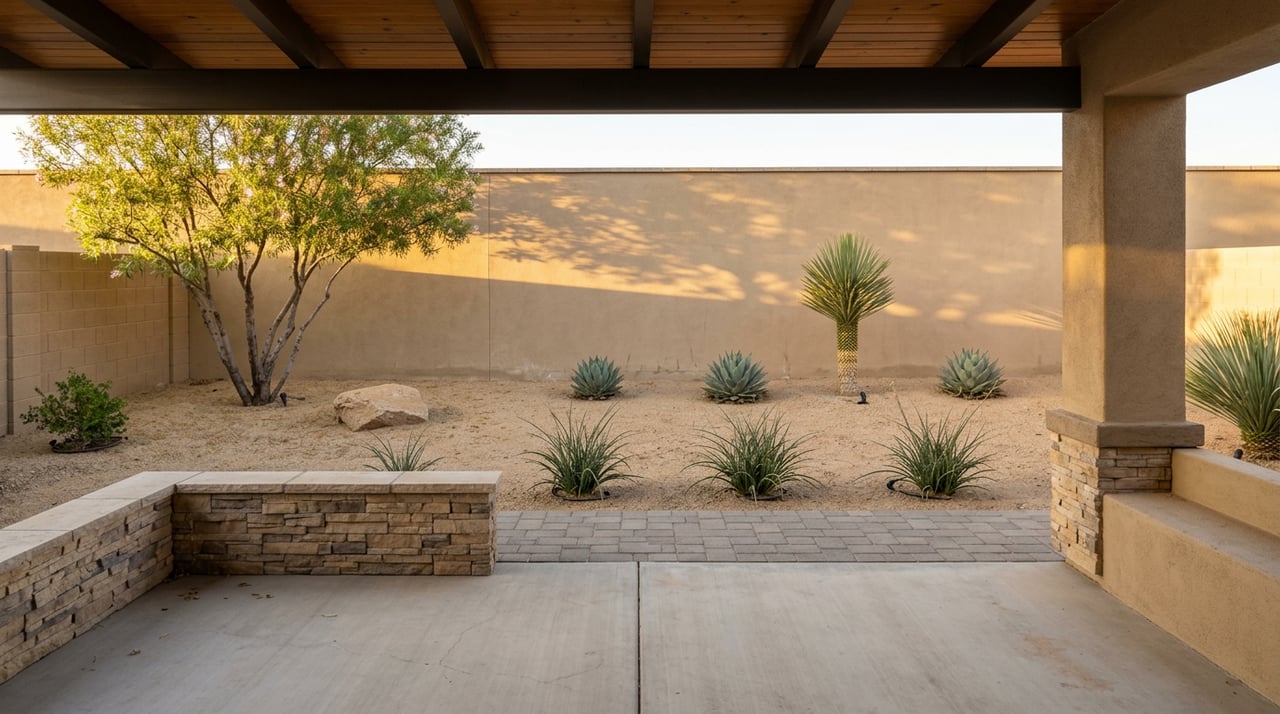
Exterior curb appeal and thoughtful interior refreshes often punch above their weight with buyers. National benchmarks like Zonda’s Cost vs. Value report show that curb appeal projects and minor kitchen remodels can have among the stronger resale recapture rates, which helps explain why sharp photos and clean finishes matter. Review the latest context at Zonda’s Cost vs. Value. In our desert climate, energy-efficient HVAC and xeriscape with irrigation also tend to get attention. When you highlight upgrades, include age or brand and recent service records. For higher-maintenance features, present them as lifestyle benefits and be clear about care requirements.
Price against new-build incentives
Through 2025, many builders used incentives like closing cost credits or temporary rate buydowns to move quick-delivery homes. This affects your pricing because buyers run the math on the net price. For context on the scale of recent incentives, see this overview of where buyers have seen five and six figure offers on new homes at LocalNews8’s incentive roundup.
Here is a simple example to frame your strategy. Imagine a nearby builder lists a comparable floor plan at 620,000 and advertises a 20,000 credit. The buyer’s perceived net is about 600,000. If your resale offers move-in readiness, established landscaping, custom window coverings, and a premium lot, you might position at 595,000 to 605,000 depending on your upgrade mix, recent $/sqft comps near 268, and the exact lot premium you can show in the data. Alternatively, you could hold a slightly higher list price and offer a targeted credit that narrows the incentive gap. The key is to use current comps plus visible builder incentives to justify your launch price and any offered credits.
Set your launch price band
Pick a band, not one number
Buyers negotiate. Your pricing should anticipate that. Choose a primary list price and a tight negotiation range supported by 3 to 5 strong comps and clear adjustments. This gives you room to respond to feedback without sending a signal of distress.
Use search-aware pricing
Most buyers filter searches by round number thresholds. Landing just under a common breakpoint can increase your exposure. For example, 599,900 can capture both under-600,000 searches and buyers stretching just past 575,000. For a quick overview of this tactic, review this guide to strategic pricing thresholds. Do not sacrifice realism in pursuit of a round number. Your comps still set the boundaries.
Prep your proof
Have your supporting evidence ready at launch. Summarize the 3 to 5 comps, your adjustment notes, and how you accounted for any builder incentives nearby. When buyers see a credible package, they feel confident making an offer close to your asking price.
Measure and adapt in 14 days
The first 7 to 14 days are the most important for signal and feedback. Track online views, saves, showing counts, and the ratio of showings to offers. If digital engagement looks normal but no offers arrive, focus on pricing relative to your top comps and what buyers are saying about features or finishes. If both traffic and showings are soft, upgrade marketing elements like photos, staging, and listing copy, then revisit price or offer a focused incentive such as a modest closing credit or a rate buydown.
Keep adjustments controlled and documented. Small, data-driven steps preserve your negotiating power. Compare your position to the net pricing of any competing quick-move homes, then choose the mix of price, marketing, or credits that best protects your equity.
Quick seller checklist
- Pull a neighborhood snapshot with a date stamp. Note the latest Skye Canyon median sale price, typical $/sqft, and days on market from Redfin or Zillow.
- Define your comp set. Start with same-phase sales in 0.5 to 1 mile over the last 90 to 180 days. Expand only if needed and explain why.
- Choose 3 to 5 best comps and list addresses, sale dates, size, and key features. Show your dollar or $/sqft adjustments.
- Note upgrades and lot features that clearly moved price. Include photos and any service records that reinforce value.
- Identify nearby model homes or quick-move inventory and outline current builder incentives using official builder pages or reliable news reports.
- Launch with a price band, measure the first 14 days, then adjust messaging, credits, or list price based on documented feedback and metrics.
Why this process works in Skye Canyon
Skye Canyon is not a one-size-fits-all neighborhood. Builder mix, lot types, and amenity sets vary by enclave, which means your price must be tied to the right micro-comps and the reality of nearby new-build offers. When you pair a rigorous CMA with on-market measurement, you give buyers the confidence to act and you protect your leverage during negotiations.
If you want a data-backed price and boutique-level execution tailored to Skye Canyon, let’s talk. As a Las Vegas native with a white-glove, tech-enabled approach, I can help you compare your home to both recent resales and active model releases so your list price and launch plan land just right. Reach out to Alexandria Mcgurk to get your free home valuation and a custom pricing game plan.
FAQs
What time frame should I use for Skye Canyon comps?
- Start with sales from the last 3 to 6 months, and if the market is moving quickly, focus on the most recent 90 days while adjusting older sales to reflect current conditions.
How do builder incentives affect a Skye Canyon resale price?
- Buyers compare your home to the net price of a nearby quick-move home after incentives, so you either price to reflect that gap or offer targeted credits while emphasizing your home’s advantages.
Which upgrades add the most resale value in Skye Canyon?
- Exterior curb appeal and modest kitchen refreshes often rank well nationally; locally, energy-efficient HVAC, quality landscaping, and well-presented kitchens and baths tend to attract buyers.
How long should I wait to adjust price after listing?
- Use a 7 to 14 day measurement window; if engagement or showings lag, adjust marketing first, then consider a small, data-backed price change or a focused buyer credit.
Should I price high to leave room to negotiate?
- Overpricing risks missing early momentum and search filters; a tight, comps-based price band with clear evidence usually draws better traffic and stronger offers.